Choosing the Right LDPE Film Thickness for Your Application
Selecting the correct LDPE film thickness is one of the most important decisions when choosing polyethylene packaging. Film that is too thin may not provide the required protection, while film that is too thick can increase costs unnecessarily.
Understanding how film thickness affects strength, durability, and performance can help businesses choose the most effective and economical packaging solution.
At Plastics 2000, we manufacture custom polyethylene film solutions tailored to the specific requirements of Australian industry.
What Is Film Thickness?
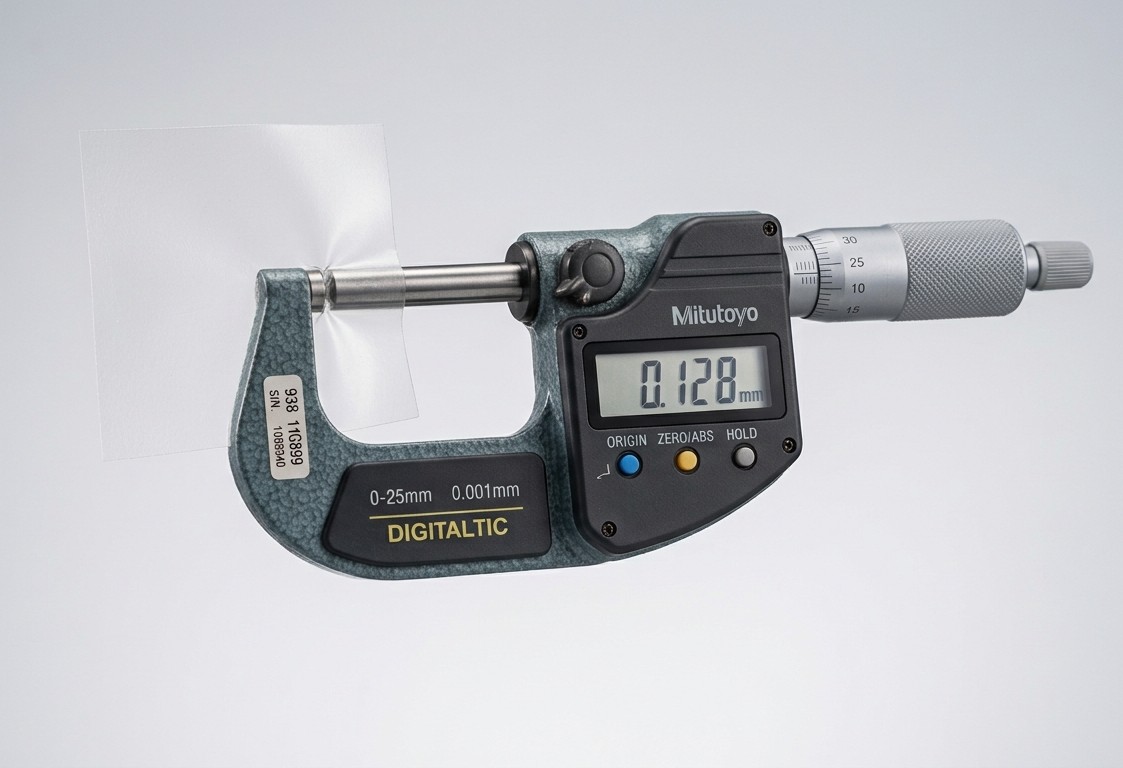
Film thickness refers to the gauge of the polyethylene film and is typically measured in microns (µm).
As film thickness increases:
- Strength generally increases
- Puncture resistance improves
- Tear resistance improves
- Load containment improves
- Material usage and cost increase
Choosing the correct thickness ensures products receive adequate protection without using excess material.
Why Does Thickness Matter?
Different applications place different demands on packaging materials.
Factors that influence film selection include:
- Product weight
- Product shape
- Storage conditions
- Transport requirements
- Exposure to moisture
- Risk of punctures or tears
- Handling frequency
The goal is to balance protection, performance, and cost.
Common LDPE Film Thickness Applications
Light Duty Film (25-50 Microns)
Light-duty film is suitable for:
- Dust covers
- Lightweight products
- Temporary protection
- General packaging applications
Benefits include:
- Lower material costs
- Lightweight handling
- Good visibility for packaged products
Medium Duty Film (50-100 Microns)
This range is commonly used for:
- General industrial packaging
- Product protection during transport
- Poly bags
- Protective covers
- Pallet covers
Benefits include:
- Good durability
- Improved puncture resistance
- Versatile performance across many industries
Heavy Duty Film (100-200 Microns)
Heavy-duty film is often used for:
- Building materials
- Heavy industrial products
- Palletised loads
- Agricultural products
- Export packaging
Benefits include:
- Excellent strength
- Enhanced puncture resistance
- Increased product protection
- Better performance in demanding environments
Extra Heavy Duty Film (200 Microns and Above)
Suitable for:
- Sharp-edged products
- Long-term storage
- Harsh transport conditions
- High-value goods
Benefits include:
- Maximum protection
- Superior durability
- Increased resistance to handling damage
Factors to Consider When Choosing Film Thickness
Product Weight
Heavier products generally require thicker films to withstand handling and transportation stresses.
Typical examples include:
- Industrial parts
- Building products
- Bulk packaged goods
Product Shape
Products with sharp corners or irregular edges may require thicker film to prevent punctures.
Storage Conditions
If products are stored outdoors or exposed to challenging environmental conditions, thicker or UV-stabilised films may be more suitable.
Transport Requirements
Long transport distances often increase the risk of handling damage, making stronger film specifications beneficial.
Sustainability Goals
Advances in resin technology now allow many applications to achieve required strength with less material.
Working with an experienced manufacturer can help optimise film performance while reducing material consumption.
Can Thinner Film Be Stronger?
Not all polyethylene films perform the same.
Modern resins, including metallocene-enhanced materials, can often provide improved strength without requiring significantly greater thickness.
This allows manufacturers to achieve:
- Better puncture resistance
- Improved durability
- Reduced material consumption
- More efficient packaging solutions
The right material selection is often just as important as thickness selection.
Choosing the Right Thickness for Common Applications
Poly Bags
Typically selected based on:
- Product weight
- Packaging requirements
- Required durability
Pallet Covers
Thickness depends on:
- Load size
- Storage conditions
- Transport requirements
Poly Sheeting
Selection is influenced by:
- Environmental exposure
- Protection requirements
- Intended application
Custom Film Solutions
Many businesses benefit from custom film specifications designed specifically for their products and operating environment.
Why Work with Plastics 2000?
For more than 30 years, Plastics 2000 has supplied Australian businesses with high-quality polyethylene film solutions manufactured to suit demanding industrial applications.
Our capabilities include:
- LDPE Film
- Poly Sheeting
- Industrial Plastic Bags
- Pallet Covers
- Layflat Tubing
- Centrefold Film
- U-Film
- Custom Polyethylene Packaging Solutions
Our team can help determine the most appropriate film thickness and specification for your application, ensuring the right balance of protection, performance, and value.
Contact Plastics 2000
Not sure what film thickness is right for your application?
Contact Plastics 2000 to discuss your requirements and discover a custom polyethylene film solution designed to meet your specific needs.