Microplastics and Plastics: Understanding the Full Picture
In recent years, microplastics have become a frequent topic in the media, often raising concerns about their presence in the environment and even in the human body. While ongoing research is helping scientists better understand potential impacts, it is important to view the issue in context and recognise the significant benefits plastics provide to modern life.
Plastics Have Improved Everyday Life
Plastics are one of the most versatile and efficient materials ever developed. They help keep food fresh for longer, reduce transportation emissions through lightweight packaging, improve medical safety through sterile products, and enable countless innovations across healthcare, agriculture, construction, and manufacturing.
Without plastics, food waste would increase significantly, products would require more energy to transport, and many medical procedures would become more difficult, expensive, or impossible.
From blood bags and surgical equipment to insulation, greenhouse films, and protective packaging, plastics contribute to health, safety, and sustainability every day.
What Are Microplastics?
Microplastics are small plastic particles that can originate from a range of sources, including the breakdown of larger plastic items, synthetic textiles, tyre wear, and industrial processes. Because these particles are widespread in the environment, they can be detected in water, soil, air, and many everyday products.
The presence of microplastics does not automatically mean there is a health risk. Modern analytical equipment is capable of detecting extremely small quantities of substances, often at levels far below what is known to cause harm.
Researchers continue to study how microplastics interact with the human body, but many questions remain unanswered regarding exposure levels, biological effects, and long-term outcomes.
Science Continues to Evolve
The scientific community generally agrees that reducing unnecessary plastic waste and improving recycling and waste management systems are important goals. At the same time, there is ongoing research into the potential effects of microplastic exposure on both people and the environment.
As with many emerging scientific topics, evidence is still developing. While headlines often focus on worst-case scenarios, responsible decision-making should be guided by comprehensive research, not fear or speculation.
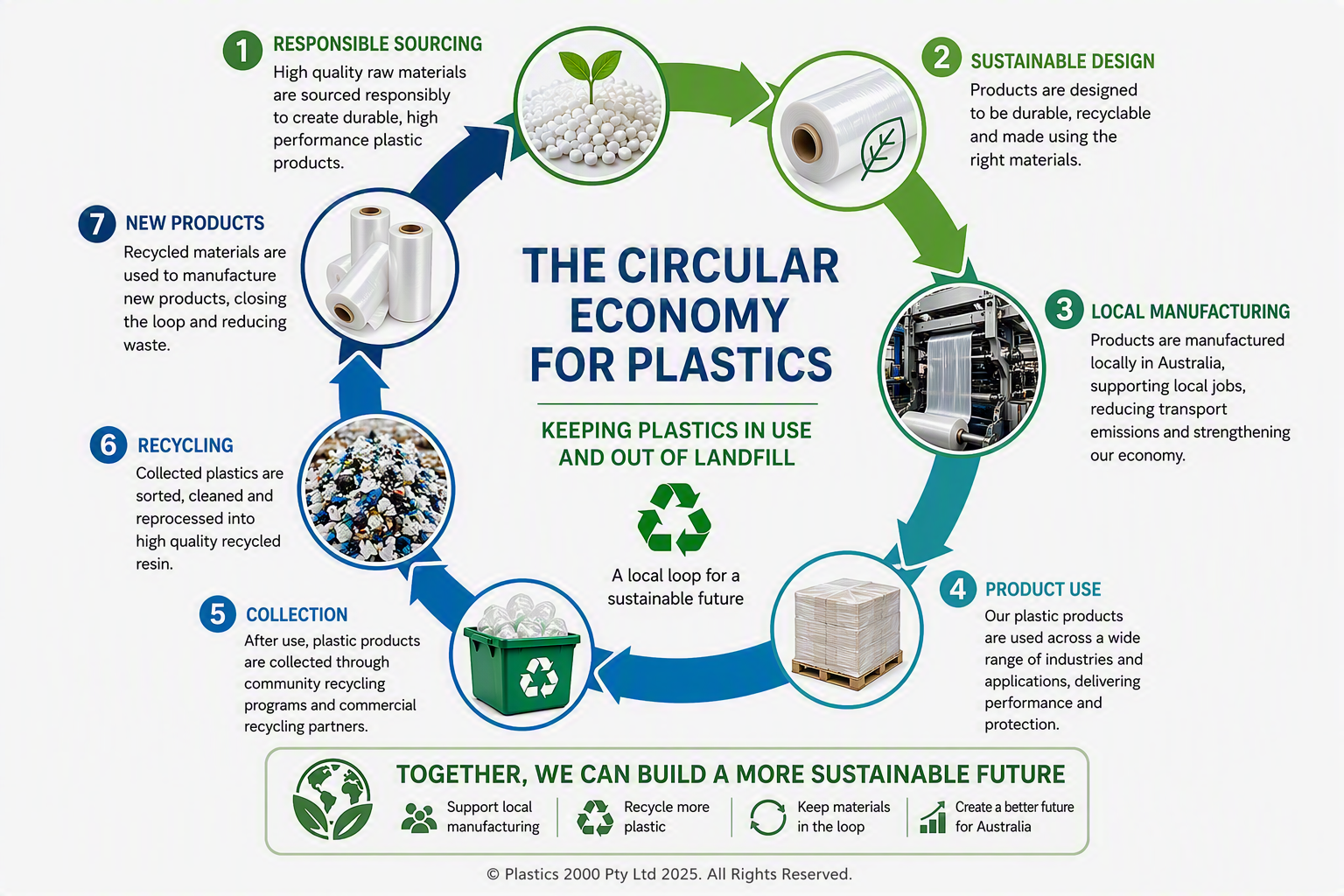
The challenge is not plastic itself, but ensuring plastics are used responsibly, collected effectively, and prevented from entering the environment unnecessarily.
A Balanced Approach
Plastics have transformed industries and improved quality of life for billions of people worldwide. While research into microplastics continues, it is important to balance concerns with the undeniable benefits these materials provide.
The future lies in smarter manufacturing, improved recycling technologies, responsible waste management, and continued innovation, allowing society to enjoy the benefits of plastics while reducing environmental impacts.